Iron Maiden's discography is a relentless metal odyssey with towering highs and a handful of divisive turns. We chart all 18 of their major releases, grouping them into essential eras—no filler, just the albums that forged NWOBHM history.
Iron Maiden's discography is a relentless metal odyssey with towering highs and a handful of divisive turns. We chart all 18 of their major releases, grouping them into essential eras—no filler, just the albums that forged NWOBHM history.
Iron Maiden defined and then transcended the New Wave of British Heavy Metal, crushing stages and stereotypes for over four decades. Choosing just 18 essential releases from their labyrinthine discography is a herculean task—so we stuck to the albums and a couple of pivotal live documents that genuinely mattered, leaving out most singles, videos, and box sets.
Tier breakdowns follow the band’s seismic line-up changes, experimentation, and eventual rebirth. These groupings aren’t just a trip through Maiden’s back catalogue—they chart the ascent, risk, and revitalization of metal’s most iconic institution. Up the Irons!
Era I: Di'Anno Dawn – The Birth of the Beast
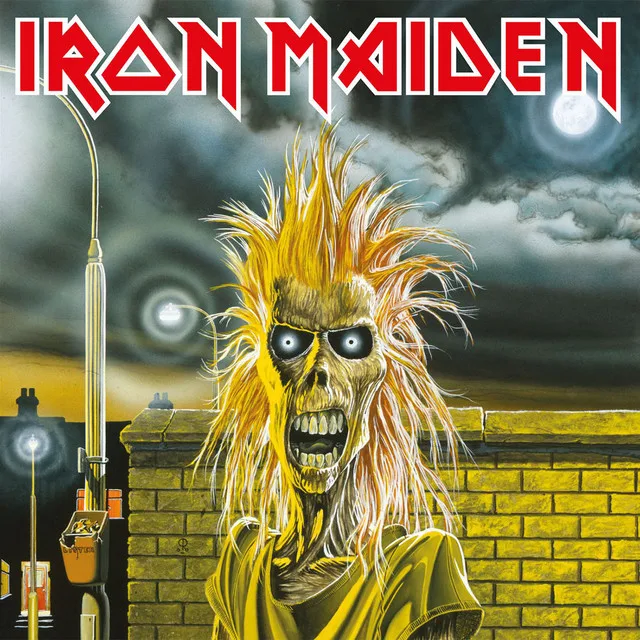
The self-titled debut, 'Iron Maiden,' is where it all started—rough, hungry, and unstoppable. Paul Di’Anno’s snarling punk edge puts a raw stamp on dance-of-death rippers like “Prowler” and the immortal title track. Steve Harris’s basslines and energy pioneered a new kind of metallic storytelling, making this debut required listening for anyone claiming to love heavy music.
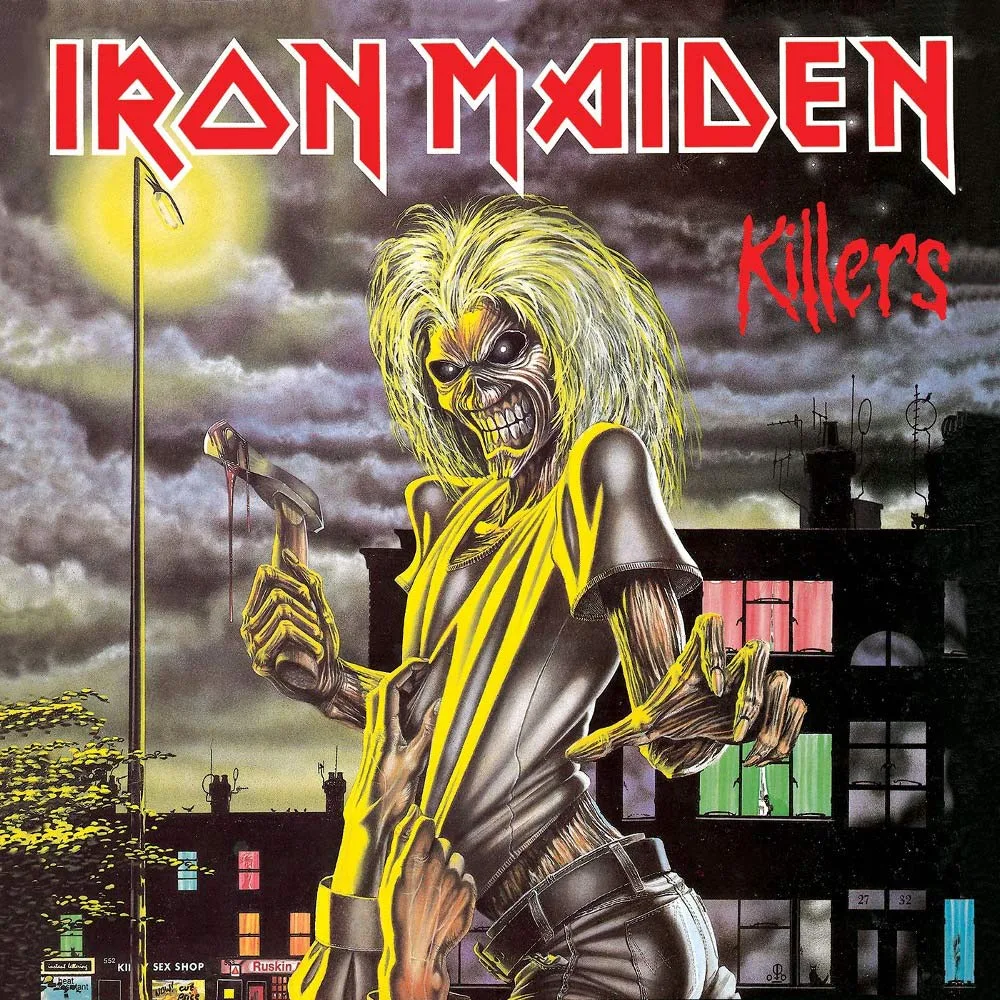
'Killers' sharpened everything great about Maiden’s debut—tighter songwriting, more menacing production, and some instantly iconic riffs. Adrian Smith joins the fray, and you can feel the step up in complexity. The album’s gritty mood swings smartly from pub menace to mythic grandeur, cementing the band’s place at the forefront of NWOBHM.
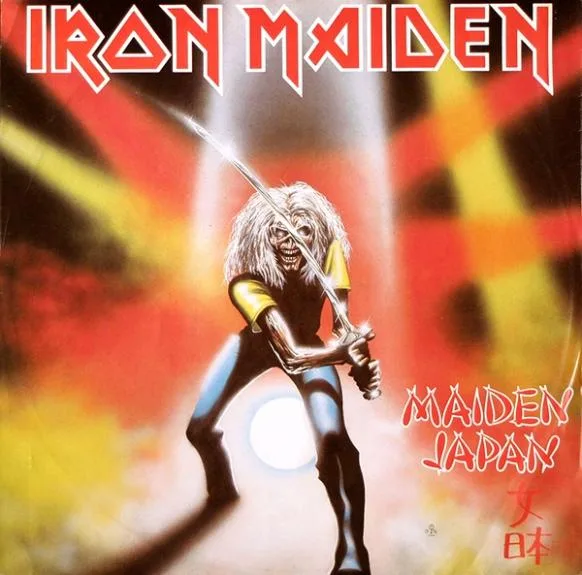
'Maiden Japan' captures the Di’Anno era’s untamed live spirit on tape—roaring, adrenaline-filled, and still held up by fans as a benchmark for live metal energy. It’s the closest you’ll get to the band’s early chaos without a time machine.
Era II: Classic Dickinson & True Metal Ascendancy
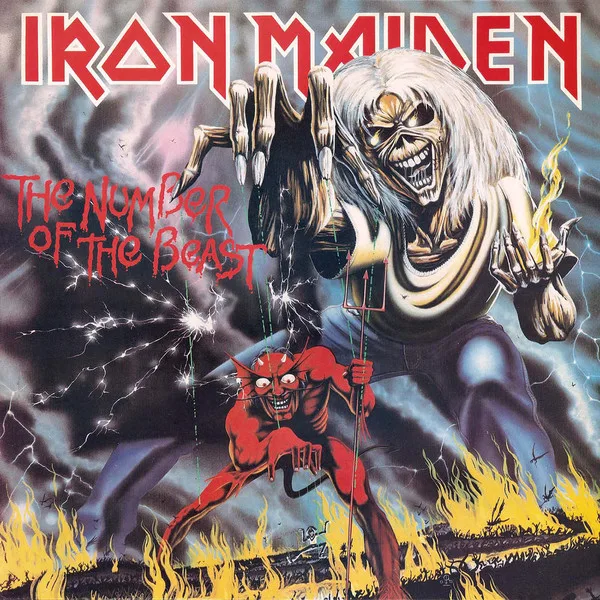
With 'The Number of the Beast,' Maiden went from NWOBHM upstarts to metal gods. Bruce Dickinson’s debut on vocals, barnstorming songs, and a sense of fearlessness delivered one of the genre’s all-time defining albums. Still essential in every sense, 'Beast' is pure, rampaging power.
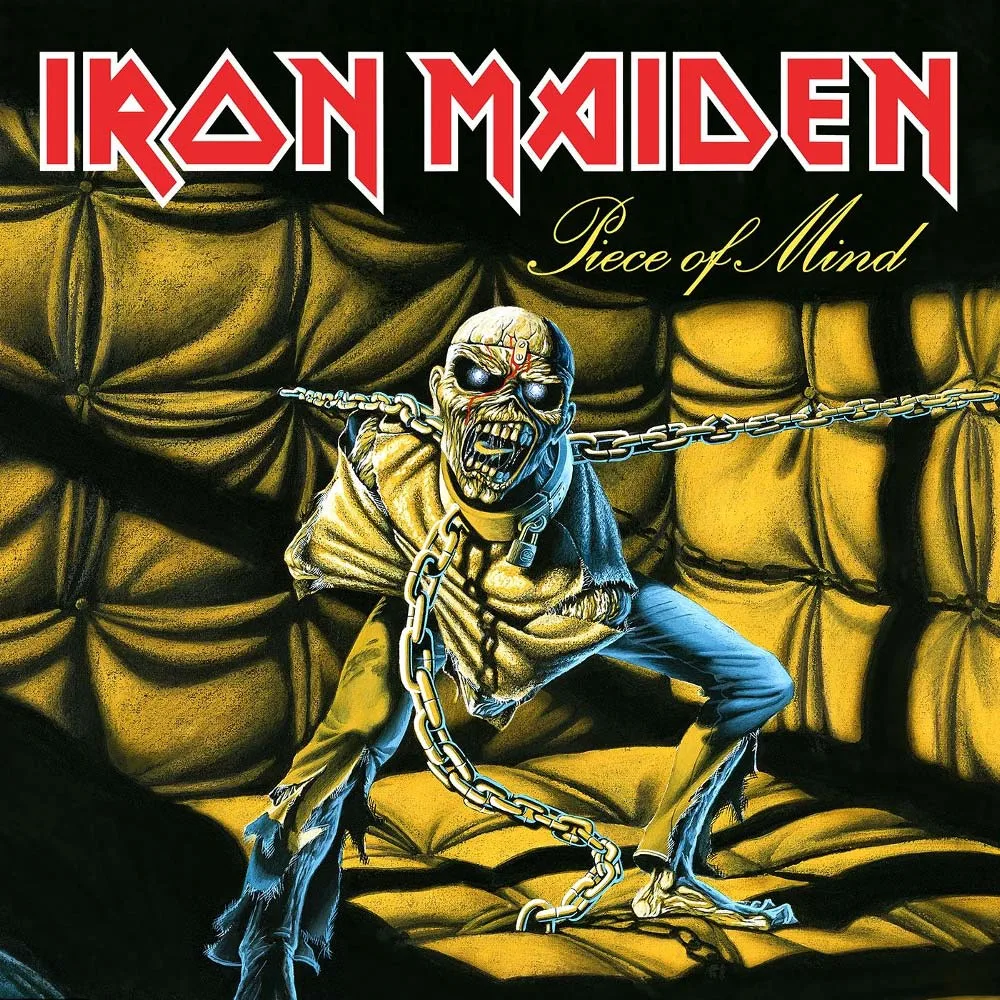
'Piece of Mind' is Maiden perfecting their epic formula—more progressive, more daring, and stacked with classic tracks. Nicko McBrain arrives behind the kit, igniting fresh rhythmic ideas and propulsive energy. Every cut here rages with intelligence and thunder.
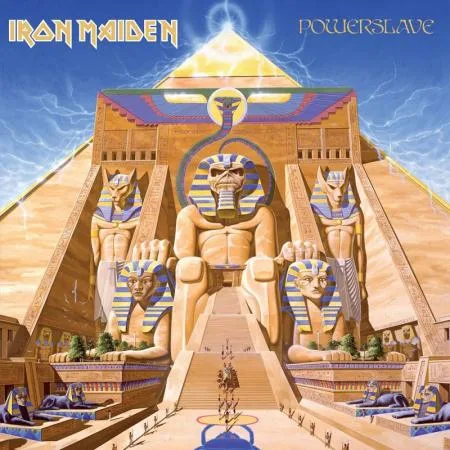
'Powerslave' is Maiden’s peak in terms of consistency and ambition, streaming with classics and cemented by the legendary “Rime of the Ancient Mariner.” The Alexanria-Egyptian visual motif and mythic aura gave the band a larger-than-life edge. Pure, undiluted Maiden.
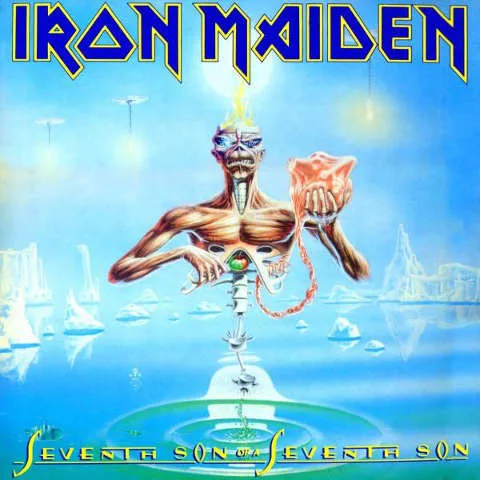
'Seventh Son of a Seventh Son' saw Maiden at their most grandiose—and successful. A concept album that dabbles with synths yet never loses edge, it’s proof that progressivism and crowd-pleasing metal can be best mates. A late '80s masterpiece and the sound of a band confident enough to experiment, yet still crush.
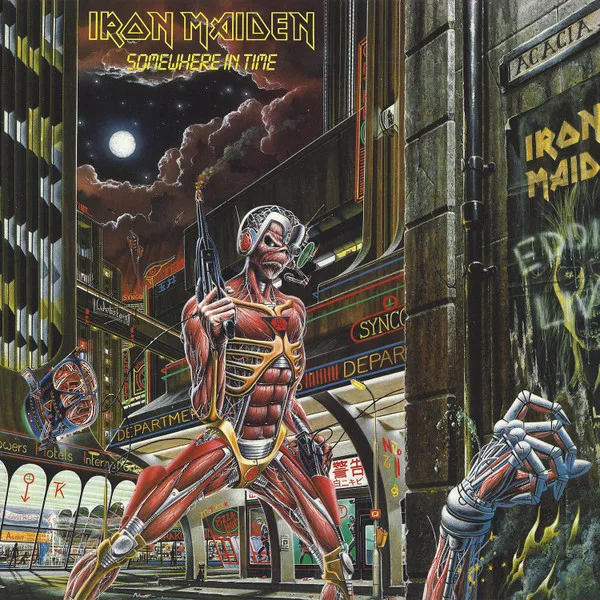
'Somewhere in Time' splits the fanbase with its synth-laden sheen, but history has been kind to this often-overlooked record. Smarter, spacier, and arguably more adventurous than ever, the album’s melodies soar without sacrificing power. Definitely a grower in the Maiden canon, and undeniably influential.
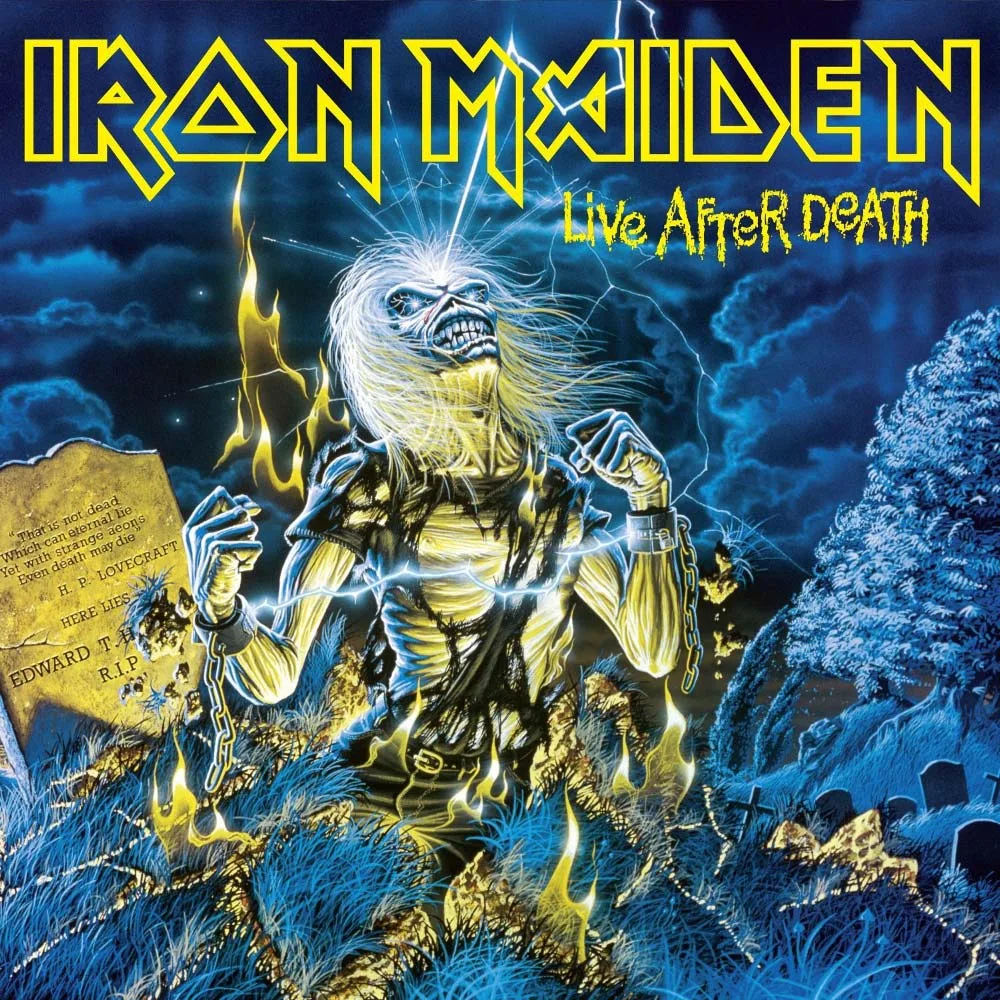
'Live After Death' is not just a live album—it’s a heavy metal rite of passage. Capturing the band on the World Slavery Tour, at their theatrical and technical best, this setlist reads like a greatest hits and the performance is nothing short of legendary.
Era III: Turbulence, Experimentation, and Changing Tides
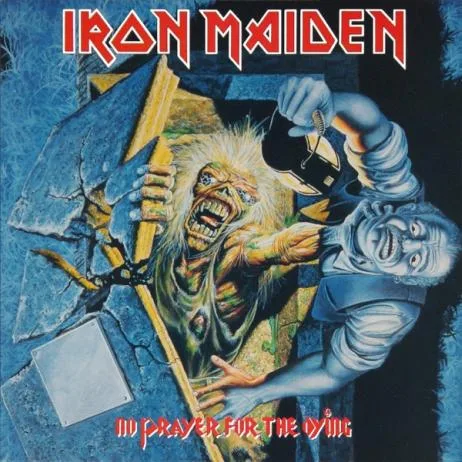
'No Prayer for the Dying' sees Maiden paring back grandiosity for a leaner, punchier sound. The experiment results in a few clunkers, but also some of the band’s gutsiest late-career anthems. Blaze Bayley doesn’t appear yet, but the cracks are beginning to show.
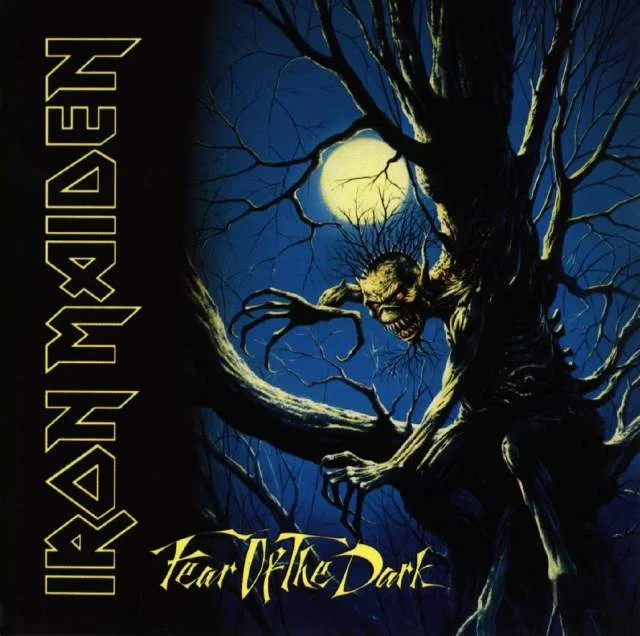
'Fear of the Dark' is a transitional beast—a mixed bag, but undeniably memorable. The monstrous title track alone justifies its place, while Dickinson’s last bow (for now) shows glimpses of both fatigue and fire. The sound turns a bit muddier here, but the ambition remains.
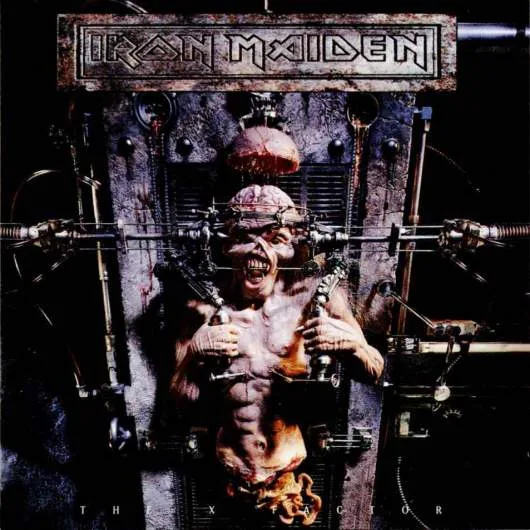
'The X Factor' brings Blaze Bayley on vocals and a decisive pivot into darker, more introspective territory. It’s a moody statement that divides the faithful but rewards patient listening. Not peak Maiden, but refreshingly bold and uncompromising in its own way.
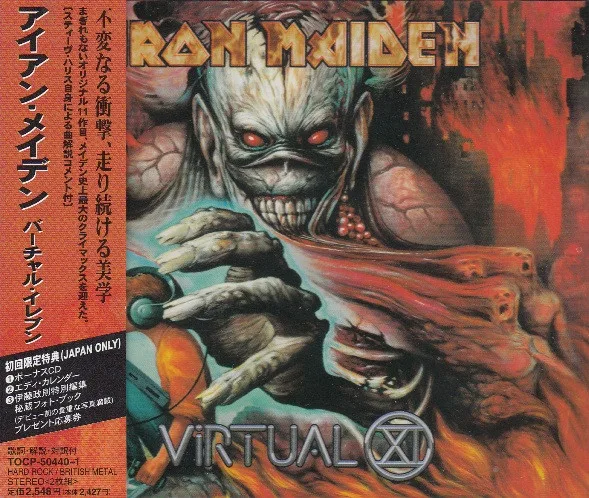
'Virtual XI' closes the Bayley chapter amid much struggle—it’s maligned for a reason, but there are flashes of grand ideas and melodic promise. The magic isn’t all there, but neither is the bottom truly falling out. The album’s ambition exceeds its execution, yet it still has curious appeal for diehards.
Era IV: The Modern Renaissance
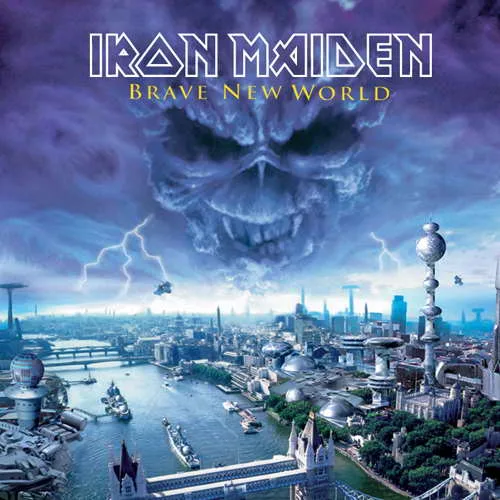
'Brave New World' is a thunderous return for both Bruce Dickinson and Adrian Smith, rebooting Maiden with new confidence and progressive flair. Modern, epic, and unafraid to stretch songs past the 7-minute mark, it’s a triumphant rebirth that thrilled both old-schoolers and a new generation of Maiden fans.
Era 0: Formative Blast – Demos & Pre-Epic Footnotes
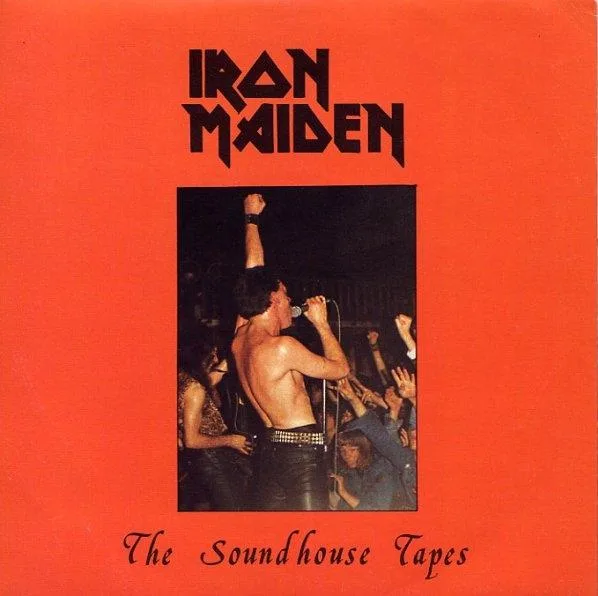
'The Soundhouse Tapes' demo is a sacred relic—a lo-fi but vital teaser of Maiden’s intent to dominate. With only a handful of tracks, it’s raw, primitive, and brimming with the DNA of British metal yet to come. For completionists, this is pure gold dust.
Iron Maiden’s creative peaks are Olympian, but their legacy also lies in taking risks—sometimes thrilling, sometimes divisive. Whether you dig the synth era, swear allegiance to Di’Anno, or champion modern Maiden, there’s no denying their impact. Every era is a testament to a band never content to stand still.