
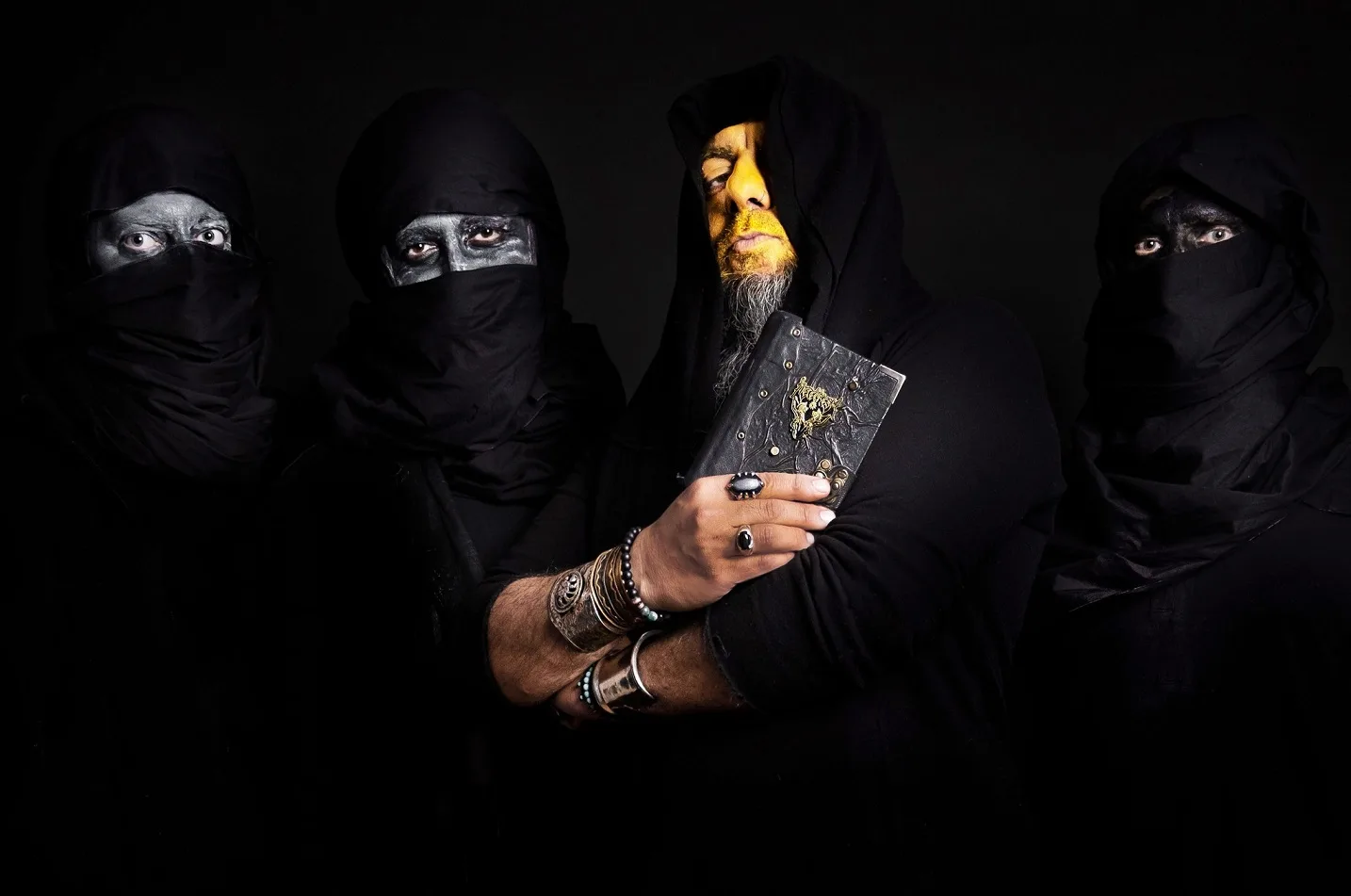
Melechesh Returns with 'Sentinels of Shamash': A Defiant Statement Amid Chaos
After an agonizing 11-year hiatus, MELECHESH storms back into the scene with their new EP 'Sentinels of Shamash.' This blistering three-track offering, clocking in at 21 minutes, serves as a potent reminder of why these Middle Eastern metal trailblazers have earned their spot at the forefront of extreme music. Channeling the raw energy of Mesopotamian lore, the EP is a cauldron of rage and mythology, crafted by the visionary Melechesh Ashmedi, whose artistry continues to break barriers.
The anticipation for new MELECHESH material has been palpable, especially following the fiery release of 2015's 'Enki.' However, the lengthy wait was not merely a matter of artistic delay. Ashmedi, who has roots in both Armenia and Turkey, founded the band in Jerusalem in 1993 and later relocated to the Netherlands. His journey has been one of cultural immersion and relentless pursuit of creative expression, proving that metal transcends borders and unites diverse voices in these tumultuous times.
Yet, Ashmedi's life in Jerusalem has been anything but normal. With the ongoing conflicts casting a dark shadow over his homeland, he recently experienced the harrowing reality of missiles whizzing overhead. In a candid conversation with BLABBERMOUTH.NET, he shared the surreal experience, likening it to a scene from a sci-fi movie, as chaos erupted around him. Despite the fear and uncertainty, Ashmedi's spirit remains unbroken, showcasing the resilience of a true metal warrior.
Living under such duress has shaped Ashmedi's perspective on identity and belonging. With a family background that doesn't neatly fit into the Israeli-Palestinian dichotomy, Ashmedi often finds himself navigating a complex web of social dynamics. He reflects on the pervasive fear that grips communities and the detrimental effects of dehumanization perpetuated by leadership on both sides. As he eloquently articulates, the oversimplification of identities in the media fails to capture the nuanced reality of those living in conflict zones.
Despite the pressures, Ashmedi embraces his identity as a 'citizen of the world,' shaped by his upbringing across various cultures. His journey from Senegal to Jerusalem, and now his life in the Netherlands, has given him a rich tapestry of experiences that defy categorization. He finds himself often misunderstood, battling against the labels imposed upon him by others. In a world longing for clarity, Ashmedi stands firm, declaring that he is more than just a product of his birthplace.
In the face of adversity, MELECHESH's 'Sentinels of Shamash' serves not only as a musical resurrection but also as a beacon of defiance. It reflects the power of metal to connect, inspire, and challenge the status quo. As Ashmedi continues to navigate his multifaceted identity, one thing remains clear: MELECHESH will not be silenced.